
5 Best Foods for Healthy Eyes : Taking care of your eyes, bones, and joints becomes increasingly important as you get older. From maintaining clear vision to keeping your bones strong and supporting comfortable movement, the foods you eat every day can make a meaningful difference in your long-term health.
The good news? You don’t need an expensive supplement routine or a complicated diet to get started. Everyday foods such as leafy greens, fatty fish, yogurt, nuts, and colorful vegetables provide essential nutrients that support eye health, bone strength, and normal joint function.
Although no single food can guarantee perfect vision, prevent osteoporosis, or eliminate joint pain, a balanced diet can help your body get the nutrients it needs to stay healthy.
Here are five of the best foods to add to your weekly meal plan for healthier eyes, stronger bones, and better joint health.
1. Spinach and Leafy Green Vegetables
Spinach, kale, collard greens, and other dark leafy vegetables are excellent additions to a healthy diet. They provide important vitamins, minerals, and antioxidants that support several body systems.
How leafy greens support your health
- Healthy eyes: Spinach and kale contain lutein and zeaxanthin, two plant compounds that accumulate in the retina and help protect eye tissues.
- Strong bones: Leafy greens provide vitamin K, which plays a role in normal bone metabolism. Some varieties, including kale and collard greens, also supply calcium.
- Overall wellness: These vegetables provide fiber and other nutrients that support a balanced eating pattern.
The National Eye Institute recommends eating dark leafy greens as part of a healthy diet to support vision. Research also suggests that diets rich in vegetables are beneficial for overall health.
How to eat them: Add spinach to an omelet, blend it into a smoothie, or serve sautéed kale as a side dish. You can also use leafy greens as the base for a fresh lunch salad.
Best tip: Include a serving of leafy greens several times a week, and rotate between different varieties to get a wider range of nutrients.
2. Salmon and Other Fatty Fish
Salmon is one of the best foods to consider when supporting eye health and maintaining a balanced diet for joint wellness. Other options include sardines, trout, herring, and Atlantic mackerel.
Fatty fish provide omega-3 fatty acids, particularly EPA and DHA, which play important roles in normal cell function and help regulate inflammatory processes in the body.
Why fatty fish deserves a place on your plate
- Eye health: Omega-3 fatty acids are important components of the retina. However, eating fish does not guarantee that you will avoid age-related eye diseases.
- Joint health: Omega-3s may help reduce certain symptoms of inflammatory arthritis, including joint tenderness and morning stiffness, in some people.
- Bone support: Fatty fish such as salmon provide protein, and some varieties also supply vitamin D, which helps the body absorb calcium.
The Arthritis Foundation identifies fatty fish as part of an eating pattern that may help people manage arthritis symptoms. These benefits are not a substitute for prescribed treatment.
How to eat it: Bake salmon with olive oil and herbs, grill trout for dinner, or add canned sardines to a whole-grain salad.
Best tip: Aim to eat fish about twice a week, following American Heart Association guidance. Choose a variety of seafood options that fit your health needs and dietary preferences.
3. Milk, Yogurt, and Other Calcium-Rich Foods
If your goal is to maintain strong bones as you age, calcium-rich foods deserve special attention. Calcium is the primary mineral in bones and teeth, and getting enough throughout life helps support normal bone structure.
Milk, yogurt, and cheese are familiar sources of calcium in the United States. For people who avoid dairy, calcium-fortified soy milk, certain fortified plant-based beverages, calcium-set tofu, and some leafy vegetables can also contribute.
How calcium-rich foods help
- Strong bones: Calcium supports bone mineralization and helps maintain bone strength.
- Normal muscle function: Calcium is essential for muscle contraction, including the movements needed for everyday activities.
- Nutritional balance: Yogurt and milk also provide protein, while yogurt may contain live cultures that support gut health.
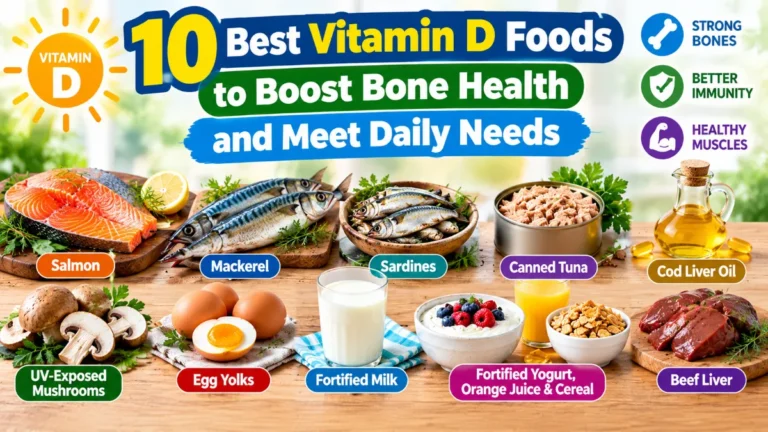
Vitamin D is equally important because it helps the body absorb calcium. Depending on your diet and individual needs, fortified foods, eggs, and certain fish can contribute vitamin D.
For most adults ages 19–50, the recommended calcium intake is 1,000 milligrams per day. Women ages 51–70 generally need 1,200 milligrams daily, while men in that age group generally need 1,000 milligrams. Adults ages 71 and older generally need 1,200 milligrams daily.
These are total daily intake targets from food and supplements combined, not amounts that everyone must obtain from supplements.
How to eat them: Enjoy plain yogurt with berries at breakfast, drink milk with a meal, or use calcium-fortified soy milk in oatmeal.
Best tip: Check nutrition labels when buying plant-based milk because calcium and vitamin D content varies by product.
4. Nuts and Seeds
Almonds, walnuts, chia seeds, flaxseeds, and pumpkin seeds are small foods with plenty of nutritional value. They provide different combinations of healthy fats, protein, fiber, magnesium, and other essential nutrients.
Nuts and seeds can be particularly useful for people who want to support bone health while following a balanced eating pattern that includes more plant-based foods.
What makes nuts and seeds beneficial?
- Bone health: Almonds, chia seeds, and other varieties provide minerals such as magnesium. Magnesium contributes to normal bone structure and several important body functions.
- Joint wellness: Walnuts, chia seeds, and flaxseeds contain plant-based omega-3 fatty acid called ALA. However, the body converts only a limited amount of ALA into EPA and DHA.
- General health: Nuts and seeds provide unsaturated fats and fiber, making them useful alternatives to many highly processed snacks.
Nuts are not a cure for arthritis, and eating them will not automatically eliminate joint discomfort. Their main value is as part of an overall nutritious diet.
How to eat them: Sprinkle chia seeds over oatmeal, add walnuts to a salad, or enjoy a small handful of unsalted almonds as an afternoon snack.
Best tip: Choose unsalted or lightly salted varieties and watch portion sizes. Nuts and seeds are nutrient-dense but also relatively high in calories.
5. Carrots, Sweet Potatoes, and Colorful Vegetables
Carrots and sweet potatoes are excellent sources of beta-carotene, a plant pigment that the body can convert into vitamin A. Vitamin A is essential for normal vision, particularly the ability to see in dim light.
Sweet potatoes also provide fiber and potassium, while carrots supply additional beneficial plant compounds.
How colorful vegetables support your body
- Healthy vision: Vitamin A is necessary for normal vision and helps maintain the health of the cornea and other tissues.
- General wellness: Colorful vegetables provide antioxidants and other nutrients that support a balanced diet.
- Bone support: Sweet potatoes and other vegetables contribute nutrients to your overall eating pattern, although they should not replace reliable calcium sources.
Vitamin A deficiency can cause vision problems, but consuming extra beta-carotene does not improve eyesight beyond normal levels in people who already get enough vitamin A.
How to eat them: Roast sweet potatoes with olive oil, enjoy carrot sticks with hummus, or add shredded carrots to soups and salads.
Best tip: Eat a variety of colorful vegetables throughout the week rather than relying on just one food.
A Simple Daily Eating Plan for Eye, Bone, and Joint Health
You can incorporate these foods into your regular meals without making major changes to your routine.
| Meal | Healthy food choice |
|---|---|
| Breakfast | Plain yogurt with chia seeds and berries |
| Lunch | Spinach salad with carrots, chickpeas, and olive oil |
| Afternoon snack | A small handful of almonds or walnuts |
| Dinner | Baked salmon, roasted sweet potato, and steamed vegetables |
| Alternative | Calcium-fortified soy milk or calcium-set tofu instead of dairy |
You do not need to eat every food on this list every day. Focus on variety, appropriate portions, and consistent healthy habits.
Other Habits That Help Protect Your Eyes, Bones, and Joints
Food is an important part of wellness, but it works best alongside other healthy habits.
1. Stay physically active. Walking, strength training, and appropriate weight-bearing exercises help maintain bone strength and support mobility. Choose activities suited to your abilities.
2. Get enough vitamin D. Vitamin D helps your body absorb calcium. Ask a healthcare professional whether you need testing or supplementation if you have risk factors for deficiency.
3. Maintain a healthy weight. Excess body weight can increase the mechanical load on weight-bearing joints, particularly the knees.
4. Protect your eyes from UV exposure. Wear sunglasses that block 99–100% of UVA and UVB rays when outdoors.
5. Avoid smoking. Smoking increases the risk of several serious eye conditions and can negatively affect overall health.
6. Schedule routine checkups. Regular eye examinations and appropriate screening for osteoporosis can help identify problems before complications develop.
Can These Five Foods Eliminate Joint Pain or Restore Vision?
No. Although these foods supply nutrients that support normal body functions, they cannot guarantee pain-free joints, reverse all age-related vision changes, or cure arthritis.
Persistent joint pain can result from osteoarthritis, rheumatoid arthritis, injuries, or other medical conditions. Sudden severe joint pain, a hot or swollen joint, or joint pain accompanied by fever warrants prompt medical evaluation.
Likewise, sudden vision loss, new flashes or floaters, or a sudden increase in dark spots requires urgent eye care.
If you already have an eye condition, osteoporosis, or arthritis, talk with your healthcare professional about the best treatment and nutrition plan for your needs. Do not stop prescribed medication in favor of dietary changes.
Frequently Asked Questions (FAQs)
1. Which food is best for eye health?
Spinach and kale are excellent choices because they contain lutein and zeaxanthin. Carrots and sweet potatoes provide beta-carotene, which the body converts into vitamin A. A varied diet is more helpful than relying on a single food.
2. What foods help keep bones strong as you age?
Calcium-rich foods such as milk, yogurt, fortified soy milk, calcium-set tofu, and certain fish help support bone health. Vitamin D, adequate protein, and regular exercise are also important.
3. Can certain foods reduce joint pain?
Fatty fish, nuts, seeds, fruits, vegetables, and olive oil can be part of an eating pattern that may help manage inflammation. Some people with inflammatory arthritis experience symptom improvement, but results vary and food is not a replacement for medical treatment.
4. How often should I eat salmon for joint and eye health?
Eating fish approximately twice a week is a practical goal for many adults. Salmon is one option, but sardines and trout also provide useful nutrients. People with specific dietary restrictions should discuss suitable alternatives with a healthcare professional.
5. Are supplements better than food for eye and bone health?
Not necessarily. Food provides a combination of nutrients and other beneficial compounds. Supplements may be useful when a deficiency or specific medical need exists, but high doses can be harmful. People with age-related macular degeneration should ask their eye doctor whether a clinically studied AREDS2 supplement is appropriate.
Final Thoughts
Healthy eyes, strong bones, and comfortable joints depend on more than one superfood. Spinach and other leafy greens, fatty fish, calcium-rich foods, nuts and seeds, and colorful vegetables are practical choices that can help you build a nutrient-rich diet.
Start with small changes: add greens to lunch, choose yogurt or a fortified alternative, include fish regularly, and replace some processed snacks with nuts or fruit.
Combined with physical activity, adequate sleep, eye protection, and regular medical care, these everyday habits can help support healthier aging and a better quality of life.
Read More